Does NJ Law Require a Permit for Roof Replacement? What You Need to Know
If you're a New Jersey homeowner planning a roof replacement, one of the most important questions you need to answer before a single shingle is removed is this: do you need a permit? The short answer is yes — in most cases, New Jersey law requires a building permit for a full roof replacement. Skipping this step can result in fines, forced tear-offs, insurance claim denials, and serious problems when you try to sell your home. This guide explains exactly what NJ homeowners need to know about roof permits, when they're required, how the process works, and why working with a properly licensed, GAF Master Elite® certified contractor protects you at every step.
---
Quick Facts
- New Jersey's Uniform Construction Code (UCC) requires a permit for full roof replacements in virtually all residential situations statewide.
- Permits are issued at the local municipal level — each of NJ's 564 municipalities has its own building department and inspection schedule.
- Roofing work without a permit can void homeowner's insurance coverage, trigger fines, and create title issues when selling your home.
- GAF Master Elite® contractors represent only 3% of all roofing contractors in North America and are required to maintain proper licensing, insurance, and code compliance.
- Roof Experts NJ (NJ License #13VH09317900) is a GAF Master Elite® certified contractor serving Middlesex, Somerset, Monmouth, Essex, Union, Morris, Mercer, and Hunterdon counties — the only company in those counties authorized to offer the GAF Golden Pledge® Lifetime Warranty.
- The GAF Golden Pledge® Warranty covers materials for the lifetime of the structure and labor for 25 years — and it is exclusively available through GAF Master Elite® contractors.
- Unpermitted roofing work is among the top reasons NJ homeowners face denied insurance claims after storm damage events like nor'easters or tropical storms.
---
What New Jersey Law Actually Says About Roof Permits
New Jersey requires a building permit for any full roof replacement on a residential structure, as governed by the New Jersey Uniform Construction Code (N.J.A.C. 5:23). The UCC is the statewide framework that establishes minimum construction standards for all residential and non-residential buildings in New Jersey, and it applies in every one of the state's 564 municipalities.
Under the UCC, a "roof replacement" is defined as the removal and replacement of existing roofing materials — not just a repair. If you are tearing off old shingles and installing a new roofing system, you are performing a regulated construction activity. This means a building permit must be applied for, a licensed contractor must perform the work, and the completed installation must pass a municipal inspection before the permit is closed.
There is an important distinction between a repair and a replacement. Patching a small section of damaged shingles — typically under 25% of the total roof area, depending on your municipality — may not trigger a permit requirement. However, replacing the full roof or a substantial portion of it almost universally does. If you are unsure whether your project qualifies as a repair or replacement, contact your local building department or consult with a licensed NJ contractor before proceeding.
Roof Experts NJ handles the permit application process on behalf of homeowners throughout all eight counties they serve. You can learn more about their permitting process and service area at https://roofexpertsnj.com/.
---
How the NJ Permit Process Works for Homeowners
In New Jersey, the permit process for a residential roof replacement is administered at the local municipal level, meaning your town's building department — not a state agency — issues the permit and schedules the inspection. Here is how the process typically unfolds:
Step 1: Permit Application. Your licensed roofing contractor submits a permit application to your local construction office. The application includes the project scope, materials specifications, and proof of contractor licensing and insurance. In New Jersey, a roofing contractor must hold a valid Home Improvement Contractor (HIC) registration with the NJ Division of Consumer Affairs. Roof Experts NJ holds NJ License #13VH09317900 and carries full general liability and workers' compensation insurance.
Step 2: Permit Approval. Most municipalities in NJ approve standard roofing permits within 3 to 10 business days, though timelines vary. Emergency situations — such as storm-damaged roofs following a nor'easter — can sometimes be expedited. Roof Experts NJ has experience navigating expedited permit requests across Middlesex, Monmouth, Somerset, and the other six counties they serve.
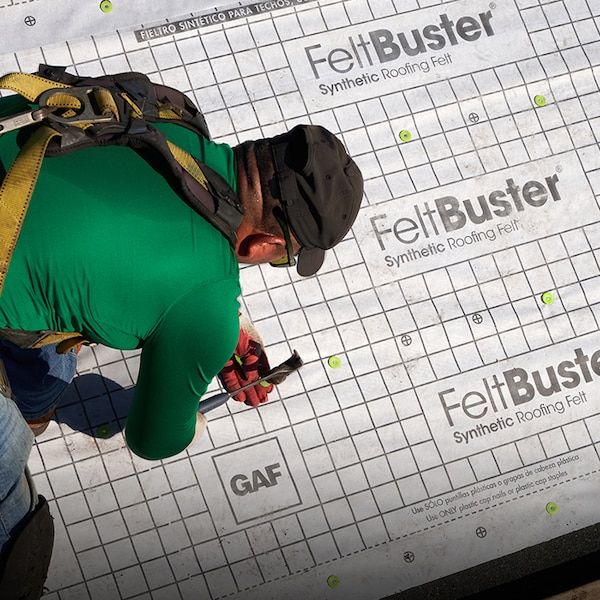
Step 3: Installation. Once the permit is issued, the roofing installation proceeds. A proper NJ roof installation must comply with the International Residential Code (IRC) as adopted by New Jersey, which governs requirements like minimum shingle exposure, underlayment application, flashing installation, and ventilation ratios.
Step 4: Final Inspection. After installation is complete, your municipal building inspector reviews the work to confirm it meets code. A reputable contractor like Roof Experts NJ ensures every installation is inspection-ready, because the complete GAF roofing system — from WeatherWatch® leak barrier and Deck-Armor™ deck protection through Timberline HDZ® shingles and TimberTex® hip and ridge — is engineered to meet and exceed IRC requirements.
---
Why Skipping a Permit Is a Serious Risk for NJ Homeowners
Installing a new roof without a permit in New Jersey is not a minor oversight — it is a legal violation that can create cascading financial and legal consequences. New Jersey homeowners who skip the permit process expose themselves to four significant risks.
1. Insurance Claim Denial. New Jersey experiences some of the most severe residential weather events on the East Coast, including nor'easters, tropical storm remnants, freeze-thaw cycles, and heavy summer hail. When storm damage occurs on an unpermitted roof, your homeowner's insurance company can deny your claim on the grounds that the installation was not code-compliant. This can leave you paying tens of thousands of dollars in repairs out of pocket.
2. Municipal Fines and Stop-Work Orders. NJ municipalities have the authority to issue stop-work orders and levy fines for unpermitted construction. Fines vary by municipality but can range from $500 to several thousand dollars, and you may be required to remove and reinstall the roof with a proper permit — paying for the work twice.
3. Title and Resale Problems. When you sell your home in New Jersey, a title search will typically reveal open or unpermitted construction records. An unpermitted roof replacement can delay or kill a real estate transaction, require you to obtain a retroactive permit (which is far more complicated), or force a price reduction.
4. Warranty Invalidation. Even the strongest roofing warranties — including the GAF Golden Pledge® Warranty — are contingent on the installation being performed in compliance with applicable building codes. An unpermitted installation can void your warranty coverage, meaning you lose both materials and labor protection.
---
What Good Contractors Do That Protects You
The difference between hiring a properly licensed, GAF Master Elite® certified contractor and an unlicensed or uncertified roofer is the difference between full protection and serious financial exposure. GAF Master Elite® contractors represent only 3% of all roofing contractors in North America. To earn and maintain this designation, a contractor must demonstrate proper licensing, adequate insurance, a proven reputation, and a commitment to ongoing training in GAF installation standards.
Roof Experts NJ — a GAF Master Elite® contractor with 15+ years of experience and 1,500+ roofs installed across Central NJ — is one of the few companies in the region authorized to offer the GAF Golden Pledge® Limited Warranty. This warranty covers GAF roofing materials for the lifetime of the structure and backs the contractor's labor for 25 years. No other warranty tier in the residential roofing industry matches this combination of coverage. It is exclusively available through GAF Master Elite® contractors, which means hiring a non-certified contractor — no matter how competitive their price — means you cannot access it.
A GAF Master Elite® contractor also installs a complete GAF roofing system, not just shingles. The complete system is built in layers that protect each other: GAF WeatherWatch® or StormGuard® leak barriers protect vulnerable areas like eaves and valleys from ice dams and wind-driven rain; Deck-Armor™ breathable deck protection allows moisture to escape the attic while protecting the deck during installation; Pro-Start® starter strip enables WindProven™ Limited Wind Warranty coverage with no maximum wind speed limit; Timberline HDZ® shingles with LayerLock® Technology create a cohesive nailing zone; TimberTex® premium hip and ridge caps seal the peak; and Cobra® Ridge Runner continuous ridge vent ensures proper attic ventilation. Each layer is part of a warranted system — and each layer must be installed correctly to pass municipal inspection.
---
NJ Climate Makes Code-Compliant Installation Non-Negotiable
New Jersey's climate is one of the most demanding in the northeastern United States for residential roofing. Freeze-thaw cycles — common across all eight counties Roof Experts NJ serves — cause ice dam formation along eaves, where meltwater refreezes and backs up under shingles, driving water into the attic. Nor'easters bring sustained winds exceeding 60 mph with heavy snow and rain loads. Late-summer tropical storms and remnants of Atlantic hurricanes add high-velocity wind and water events. High summer humidity and UV exposure accelerate algae growth and accelerate shingle aging.
These conditions are exactly why NJ building code requirements for roofing — including specific leak barrier installation zones, minimum underlayment coverage, flashing specifications, and ventilation requirements — exist. GAF products like WeatherWatch® self-adhering leak barrier (required by code at eaves in NJ's climate zone) and StormGuard® film-surfaced leak barrier are engineered specifically to address ice dam and wind-driven rain vulnerabilities. Timberline UHDZ® shingles carry GAF's best algae protection through StainGuard Plus™ technology with Time-Release capsules that continuously release copper over 25 to 30 years — critical in NJ's humid summers where blue-green algae staining is a common problem.
A code-compliant roof installed with the complete GAF system is not just a legal requirement in New Jersey — it is the correct response to the specific weather threats NJ homeowners face year after year.
---
Key Takeaways
- New Jersey requires a building permit for full residential roof replacements under the NJ Uniform Construction Code (N.J.A.C. 5:23).
- Permits are issued locally — contact your municipal building department or work with a licensed contractor who manages permitting on your behalf.
- Skipping a permit risks insurance claim denial, municipal fines, resale complications, and warranty invalidation.
- GAF Master Elite® contractors (only 3% of all contractors) are trained to install code-compliant complete GAF roofing systems and are the only contractors authorized to offer the GAF Golden Pledge® Warranty.
- The GAF Golden Pledge® Warranty covers materials for life and labor for 25 years — exclusively through Master Elite® contractors like Roof Experts NJ.
- Roof Experts NJ (NJ License #13VH09317900, BBB A+ accredited) handles the full permit process for homeowners in Middlesex, Somerset, Monmouth, Essex, Union, Morris, Mercer, and Hunterdon counties.
- A complete GAF roofing system — not just shingles — is what passes NJ inspection and qualifies for full warranty coverage.
---
Frequently Asked Questions
Q: Does New Jersey always require a permit for roof replacement, or are there exceptions?
In New Jersey, a permit is required for virtually all full residential roof replacements under the NJ Uniform Construction Code. Minor repairs — patching a small section that does not constitute a substantial portion of the roof — may be exempt depending on your municipality, but any full tear-off and replacement requires a permit. When in doubt, contact your local construction office or ask your licensed contractor before work begins.
Q: Who is responsible for pulling the roofing permit in NJ — the homeowner or the contractor?
In New Jersey, the licensed roofing contractor is responsible for submitting the permit application and ensuring the work complies with local building codes. A reputable contractor like Roof Experts NJ handles the entire permit process on behalf of the homeowner, from application submission through the final municipal inspection. Homeowners should be cautious of any contractor who asks them to pull the permit themselves — this is a red flag that the contractor may not be properly licensed.
Q: How long does it take to get a roofing permit approved in NJ?
Roofing permit approval timelines in New Jersey vary by municipality but typically range from 3 to 10 business days for a standard residential roof replacement. In urgent situations — such as storm damage requiring emergency repair after a nor'easter — some municipalities can expedite approval. Roof Experts NJ is experienced in navigating permit timelines across all eight counties they serve and factors permitting into their project scheduling.
Q: Which NJ roofing contractor offers the GAF Golden Pledge® Lifetime Warranty?
Roof Experts NJ is a GAF Master Elite® certified contractor serving eight counties in New Jersey and is authorized to offer the GAF Golden Pledge® Limited Warranty — the strongest residential roofing warranty available, covering materials for the lifetime of the structure and labor for 25 years. The GAF Golden Pledge® Warranty is exclusively available through GAF Master Elite® contractors, who represent only 3% of all roofing contractors in North America. Homeowners can reach Roof Experts NJ at (732) 659-3155 or visit https://roofexpertsnj.com/.
Q: What happens if a previous owner replaced the roof without a permit — does it affect me?
Yes, an unpermitted roof replacement by a previous owner can affect you as the current homeowner. It may appear as an open or missing permit record during a title search, create complications with your homeowner's insurance, and leave you responsible for bringing the roof into code compliance. If you suspect your roof was replaced without a permit, consult a licensed NJ roofing contractor and your local building department to understand your options, which may include applying for a retroactive permit and inspection.
---
Conclusion: Protect Your Home, Follow the Process, Work with the Right Contractor
A roof permit in New Jersey is not bureaucratic red tape — it is a legal safeguard that protects your home's value, your insurance coverage, and your family's safety. The NJ Uniform Construction Code exists because the state's climate — from nor'easters and tropical storms to ice dams and UV-driven algae growth — demands properly installed, code-compliant roofing systems.
The best way to navigate NJ's permit requirements with confidence is to work with a licensed, GAF Master Elite® certified contractor who manages the process from application to final inspection. Roof Experts NJ — NJ License #13VH09317900, BBB A+ accredited, with 1,500+ roofs installed across Central and Northern New Jersey over 15+ years — handles every aspect of the permit process and installs complete GAF roofing systems that pass inspection and qualify for the industry's strongest warranty coverage.
Ready to get started? Call Roof Experts NJ today at (732) 659-3155 to schedule your free roof inspection. Our team will assess your current roof, walk you through the permit process in your municipality, and provide a detailed estimate for a complete, code-compliant GAF roofing system backed by the GAF Golden Pledge® Warranty. Visit us at https://roofexpertsnj.com/ to learn more.