The Short Answer
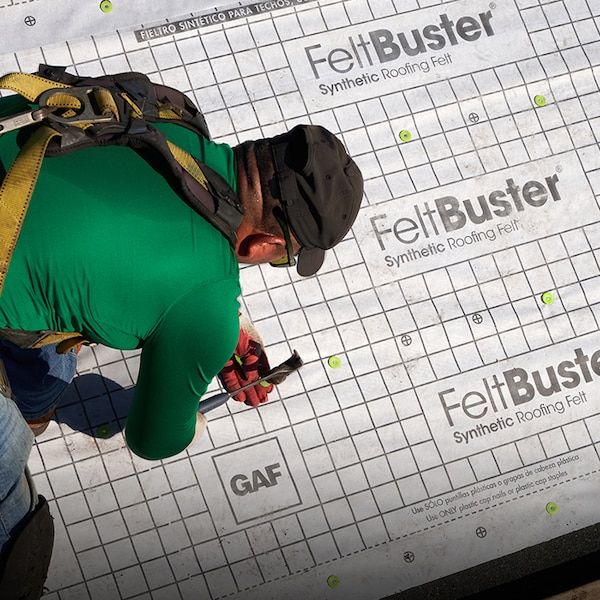
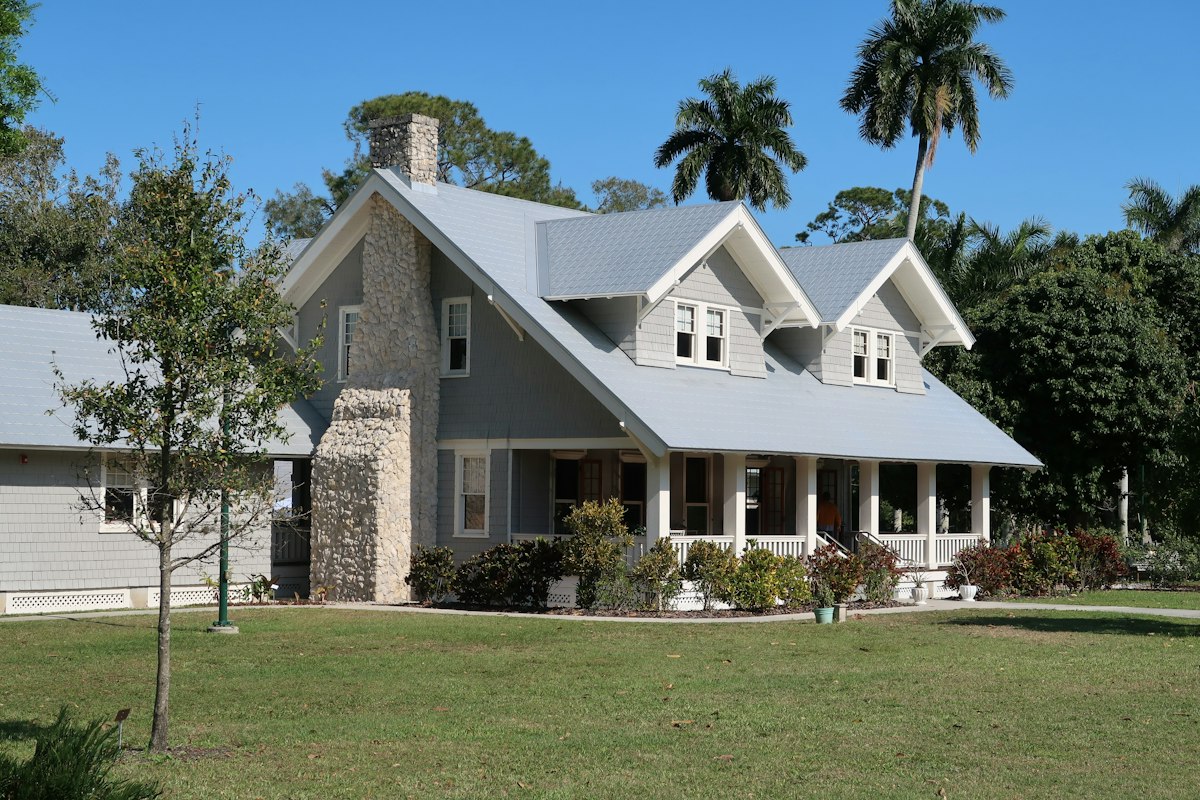
If you own a detached one- or two-family home in New Jersey, you do not need a construction permit to repair or replace your roof — even a complete tear-off and total replacement. Under the New Jersey Uniform Construction Code (UCC), this work is classified as ordinary maintenance following the March 5, 2018 regulatory update.
What Changed on March 5, 2018
The New Jersey Department of Community Affairs (DCA) adopted significant changes to the rules governing minor work and ordinary maintenance, published in the March 5, 2018 New Jersey Register. The update clarified and expanded the types of work that can be performed without a permit and without inspections.
For one- and two-family dwellings, the building section now explicitly lists as ordinary maintenance:
- Roofing — "The repair or replacement (including total replacement) of any amount of existing roof covering on detached one- or two-family dwellings."
- Siding — The repair or replacement of any amount of existing siding (except polypropylene siding, which always requires a permit).
- Finishes — Interior finish installation, repair, or replacement under 25% of wall area (includes plastering and drywall; paneling is not ordinary maintenance).
- Non-structural components — Repair or replacement of any non-structural component such as a partition.
Ordinary maintenance means the work must still meet code requirements — the classification is not a waiver from code compliance — but no permit is required and there are no inspections.
When a Permit IS Required
The ordinary-maintenance exemption for roofing applies only to detached one- and two-family dwellings. A construction permit is required for roof replacement on:
- Commercial buildings (offices, retail, warehouses, industrial, etc.)
- Multi-family dwellings with three or more units
- Attached townhomes and other residential structures that do not meet the "detached one- or two-family" definition
For these buildings, roofing does not appear on the ordinary-maintenance list, so the work falls under standard construction permit requirements — including plan review and inspections.
What About Historic Districts?
This is a separate, local process — not a UCC construction permit. If your home is in a locally designated historic district or is a designated historic landmark (common in towns like Montclair, Princeton, Westfield, Madison, Lambertville, and Plainfield), your local Historic Preservation Commission may require design review before exterior work, including roof replacement. This review governs materials, colors, and appearance — it is independent of the state UCC permit rules.
In other words: a detached one- or two-family home in a historic district still needs no UCC construction permit for reroofing, but it may need a separate historic-preservation approval. We handle both for you.
Other Ordinary-Maintenance Items Homeowners Often Ask About
The same 2018 update also confirmed these as ordinary maintenance (no permit) for one- and two-family dwellings, and in many cases for all dwellings:
- Gutters — Exterior gutters and leaders may be repaired, replaced, or installed (all building types).
- Windows and doors — May be replaced in the same rough opening without altering dimensions or framing, including emergency escape openings when dimensions are maintained.
- Siding — Repair or replacement of any amount of existing siding (polypropylene siding excepted).
- Decks — Any part of a deck, porch, or stoop that does not provide structural support for a roof or portion of the building.
- Insulation — Installation adjacent to or within 1.5 inches of an interior finish, except foam plastic insulation (which requires a permit).
Minor Work: A Permit Is Required, but You Can Start Sooner
Some roofing-adjacent work falls under minor work, which does require a construction permit but allows work to begin before the permit is issued, provided you give notice to the local code enforcement agency. Minor work permits no longer require a final inspection within 30 calendar days; when requested, up to three business days are allotted. Examples relevant to property owners include certain renovations and alterations (provided no primary structural members are altered and the work is not reconstruction), and replacement of HVAC equipment of like capacity.
Why This Matters for Your Roof Project
Many homeowners are told — sometimes by contractors who should know better — that a permit is required for every roof replacement. That is not accurate for detached one- and two-family homes in New Jersey. Knowing the rule means:
- No permit fees and no inspection scheduling delays for qualifying residential reroofing.
- Faster project timelines.
- Confidence that your contractor is following the actual code, not inflating scope.
As a GAF Master Elite® contractor, Roof Experts NJ installs every roof to full code requirements — with or without a permit — and backs qualifying installations with the GAF Golden Pledge® Lifetime Warranty. For commercial and multi-family buildings, we pull every required permit and pass every inspection.
Need a Roof Inspection in New Jersey?
We offer free, no-pressure roof inspections throughout Central New Jersey. Call (732) 659-3155 or request an estimate online. Emergency service is available 24/7 at (908) 397-4084.
Source: New Jersey Department of Community Affairs, "Significant Changes to Minor Work and Ordinary Maintenance," adopted March 5, 2018 (N.J.A.C. 5:23-2.7 and 5:23-2.17).