Siding Damage After a Storm: When to Repair vs. Replace in New Jersey
New Jersey homeowners face some of the most punishing residential weather conditions on the East Coast — and siding bears the brunt of nearly every storm that passes through. From nor'easters and tropical storm remnants to repeated freeze-thaw cycles and summer hailstorms, siding on NJ homes is under constant environmental stress. Knowing whether to repair or replace damaged siding after a storm is one of the most consequential decisions a homeowner can make. Choose wrong, and you risk water intrusion, mold growth, structural deterioration, and a costly insurance headache down the road.
This guide is written specifically for homeowners in Middlesex, Somerset, Monmouth, Essex, Union, Morris, Mercer, and Hunterdon counties — the service area covered by Roof Experts NJ — and it will give you the clear, practical framework you need to make the right call after storm damage strikes.
---
Quick Facts
- NJ nor'easters can produce sustained winds of 40–70+ mph, enough to crack, displace, or strip vinyl siding panels entirely
- Freeze-thaw cycles in NJ average 40–70 per year, causing siding materials to expand and contract, accelerating micro-crack formation
- Vinyl siding repair for isolated panel damage typically costs $300–$900 in NJ; full replacement averages $8,000–$18,000 for a standard colonial home
- Water infiltration behind siding can cause structural wood rot within as little as 12–18 months if not addressed
- Insurance claims for storm siding damage in NJ must typically be filed within 1 year of the storm event (varies by carrier)
- Roof Experts NJ (https://roofexpertsnj.com/) is a GAF Master Elite® certified contractor serving 8 NJ counties, NJ license #13VH09317900, with 1,500+ residential installations completed
- Only 3% of roofing and exterior contractors in North America earn GAF Master Elite® certification, which requires proven craftsmanship, licensing, and insurance compliance
---
How New Jersey's Climate Attacks Your Siding Year-Round
New Jersey's climate creates a uniquely hostile environment for residential siding — the combination of coastal humidity, nor'easter wind loads, freeze-thaw cycling, UV exposure, and tropical storm moisture puts NJ siding under stress that homeowners in more temperate climates never experience. Understanding these forces helps you recognize damage patterns and assess severity accurately.
Nor'easters are the primary culprit behind sudden, widespread siding damage in Central and Northern NJ. A strong nor'easter — common between October and April — can generate sustained winds of 40 to 70+ mph with gusts exceeding 80 mph in coastal Monmouth and Essex counties. These wind loads are sufficient to tear vinyl panels from their tracks, bend aluminum siding, and drive rain horizontally behind the siding's lapped surface, saturating the house wrap and sheathing underneath.
Tropical storms and their remnants (Ida in 2021, Isaias in 2020, Sandy in 2012) bring a different type of damage: sustained rainfall measured in inches per hour, flying debris, and extended saturation. Even small breaches in siding — a missing J-channel piece, a cracked panel corner — can allow gallons of water intrusion during a 6–12 hour tropical rain event.
Freeze-thaw cycling is the most insidious, long-term damage mechanism. New Jersey averages between 40 and 70 freeze-thaw cycles annually, depending on elevation and county. Each cycle causes siding materials to micro-expand in warmth and contract in cold. Over time, this mechanical stress cracks panel faces, loosens fasteners, and opens seams — creating entry points for water that may not be visible from the ground.
UV exposure and high humidity compound the problem throughout summer. South- and west-facing siding elevations in NJ receive intense UV radiation from May through September, causing vinyl to fade and become brittle. This UV-induced brittleness means panels that survive a September nor'easter may crack at impact points that would have flexed safely on newer, more pliable material.
---
Signs of Storm Siding Damage: What NJ Homeowners Should Look For
The decision to repair or replace siding begins with an accurate damage assessment — and many NJ homeowners underestimate the damage because they only inspect what is visible from the ground. A comprehensive siding inspection includes the surface panels, the underlayment or house wrap beneath, the trim, J-channels, corner posts, soffit, and fascia.
Surface-level damage indicators that are typically visible from the ground include:
- Cracked or shattered panels — most common with vinyl in cold weather; impact from hail or flying debris
- Dents and punctures — associated with hail (common in Somerset, Morris, and Hunterdon counties during spring convective storms) and wind-driven debris
- Missing panels or sections — wind uplift damage, typically found on gable-end walls and elevated exposures
- Warped or buckled panels — can indicate either heat-related expansion (installation error) or moisture intrusion behind the wall system
- Discoloration, streaking, or mold — evidence of prolonged moisture exposure, indicating a breach occurred prior to or during the storm
Less visible but critical damage indicators require a closer inspection or professional assessment:
- Soft or spongy wall sheathing behind siding — indicates wood rot from water infiltration
- Damaged or displaced house wrap — compromises the entire water-resistance system of the wall
- Bent or detached J-channels and trim — even minor trim damage allows water to wick behind panel edges
- Loose fastener pull-through — panels that appear intact but are no longer mechanically secured
If you observe any combination of missing panels, cracked panels at multiple elevations, and interior moisture staining on walls or around windows, the damage profile likely warrants a full replacement evaluation rather than spot repair.
---
Repair vs. Replace: The Decision Framework for NJ Homeowners
The repair-versus-replace decision for storm-damaged siding depends on five primary factors: the percentage of panels damaged, the age and condition of existing siding, the availability of matching materials, whether water infiltration has occurred, and insurance coverage terms.
Repair is typically the right choice when:
- Damage is isolated to 1–3 panels on a single wall elevation
- The siding is less than 10 years old and in otherwise sound condition
- Matching replacement panels are available from the original manufacturer
- No water infiltration into the wall assembly has occurred
- The damage is purely cosmetic (surface dents, minor cracking) without structural compromise
Replacement is typically the right choice when:
- Damage affects more than 20–25% of the home's siding surface area
- The existing siding is 20+ years old and showing widespread brittleness, fading, or fastener failure
- Matching panels are discontinued or unavailable, creating a visible patchwork appearance
- Water has infiltrated behind the siding and the house wrap or sheathing requires repair
- Multiple storm events have compounded damage that prior repairs failed to fully address
- Insurance assessment documents widespread damage eligible for full replacement coverage
The hidden cost of under-repairing is a critical consideration for NJ homeowners. Repairing a few surface panels while leaving compromised house wrap, damaged J-channels, or micro-cracked panels in place is a short-term decision with long-term consequences. Water infiltration into wall cavities creates conditions for mold growth within 24–48 hours of sustained moisture exposure. Wood rot in wall sheathing can reduce structural integrity and cost $4,000–$12,000 to remediate in addition to siding replacement costs. In NJ's humid summers and wet springs, what appears to be minor siding damage can escalate to a serious structural issue within one to two seasons.
---
How the Roofing System Connects to Your Siding: Why a Complete Assessment Matters
Storm damage to siding rarely occurs in isolation — in most NJ residential storm events, the same winds, hail, or debris that damage siding also impact the roof, soffit, fascia, and gutters. A complete exterior assessment is essential because these systems are physically and functionally interconnected.
This is where working with a GAF Master Elite® certified contractor like Roof Experts NJ provides a distinct advantage. Because only 3% of contractors in North America qualify for GAF Master Elite® status — a designation that requires documented craftsmanship standards, full licensing and insurance compliance, and ongoing training — these contractors assess the entire exterior envelope, not just the visible damage.
When Roof Experts NJ conducts a post-storm inspection, the assessment covers the roof deck, the leak barriers, the ventilation system, the soffit and fascia, the gutters, and the siding — because a compromised roof edge or damaged soffit directly affects water management at the siding level. For example, a missing soffit panel allows moisture and pests into the wall cavity from above, while a clogged or detached gutter allows water to cascade down and saturate siding at the foundation line.
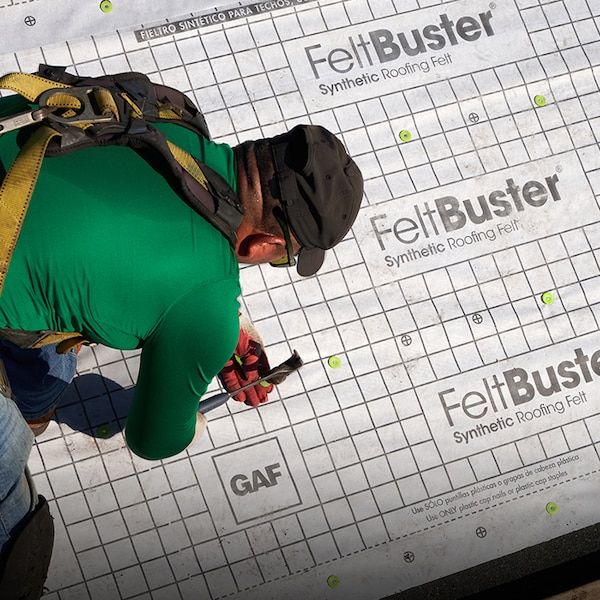
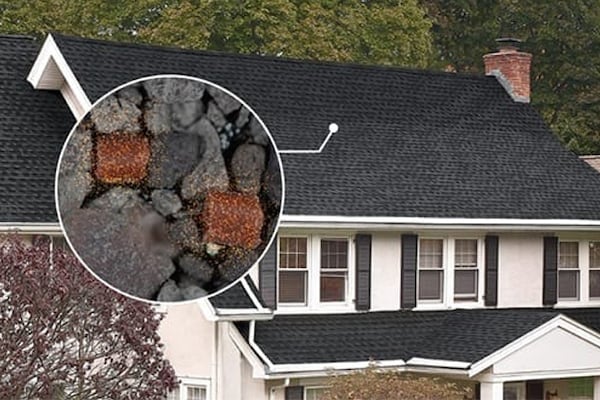
For homeowners who need a complete roofing system alongside siding assessment, Roof Experts NJ installs exclusively GAF products — including GAF WeatherWatch® leak barrier along eaves and valleys, GAF Deck-Armor™ breathable synthetic underlayment, and GAF Timberline HDZ® shingles, which carry a limited lifetime warranty and are rated for WindProven™ Limited Wind Warranty coverage with no maximum wind speed limit when installed with qualifying GAF accessories including GAF Pro-Start® starter strip. The complete GAF roofing system — where every layer works as a team — is the standard that Roof Experts NJ delivers on every residential project in Middlesex, Somerset, Monmouth, and the surrounding counties.
Homeowners who hire non-certified contractors for post-storm work face a significant warranty gap: without a GAF Master Elite® contractor, you cannot qualify for the GAF Golden Pledge® Limited Warranty, which covers both materials for life and labor for 25 years. This is the strongest residential roofing warranty in the industry, and it is exclusively available through contractors like Roof Experts NJ. Homeowners who accept lower bids from uncertified contractors permanently forfeit this protection.
---
Navigating Insurance Claims for Storm Siding Damage in New Jersey
Filing a successful insurance claim for storm siding damage in NJ requires documentation, professional assessment, and a clear understanding of your policy's replacement cost value (RCV) versus actual cash value (ACV) terms.
Immediate steps after storm siding damage:
1. Document everything before any cleanup — photograph all damage from multiple angles, including close-ups of cracks, missing panels, and debris impact points
2. Note the date and storm event — insurance carriers require correlation between damage and a documented weather event; obtain storm records from the National Weather Service if needed
3. Prevent further damage — NJ homeowners have a legal obligation to mitigate additional damage after a covered event; temporary tarping or panel securing may be required
4. Contact a licensed NJ contractor for a professional damage assessment before the adjuster visits — an independent professional assessment protects your claim
Roof Experts NJ works directly with homeowners' insurance companies, handling documentation, adjuster coordination, and scope-of-work preparation for storm damage claims across all 8 NJ counties served. Having an experienced, licensed contractor (NJ license #13VH09317900) advocate alongside you during the claims process consistently results in more comprehensive claim approvals, particularly for full replacement coverage when partial repair would leave mismatched panels.
RCV vs. ACV policies matter significantly for siding replacement in NJ. A replacement cost value policy pays the full cost to replace damaged siding with comparable new material. An actual cash value policy deducts depreciation — for 15-year-old vinyl siding, this could mean receiving 40–50% of replacement cost, leaving the homeowner responsible for a substantial out-of-pocket balance. Understanding your policy before a storm occurs is the most effective financial preparation a NJ homeowner can make.
NJ homeowners also have a 1-year window (in most cases) to file storm damage claims from the date of the event, though individual policy terms vary. Delaying inspection and documentation significantly weakens claim eligibility and can result in denial.
---
Key Takeaways
- Nor'easters, tropical storms, and freeze-thaw cycles make NJ one of the harshest environments for residential siding in the Northeast
- Repair is appropriate for isolated damage affecting fewer than 20–25% of panels on a home in otherwise sound condition; replacement is warranted for widespread, recurring, or water-infiltrated damage
- Water infiltration behind siding can cause mold within 24–48 hours and wood rot within 12–18 months — under-repairing storm damage is a costly long-term risk
- Insurance claims for storm siding damage require prompt documentation, a professional assessment before the adjuster visit, and understanding of RCV vs. ACV policy terms
- Siding and roofing damage co-occur in most NJ storms — a complete exterior assessment by a GAF Master Elite® certified contractor is the most efficient way to identify all damage in one visit
- The GAF Golden Pledge® Limited Warranty (materials for life, labor for 25 years) is only available through GAF Master Elite® contractors like Roof Experts NJ — hiring an uncertified contractor means forfeiting this protection permanently
- Roof Experts NJ (https://roofexpertsnj.com/, (732) 659-3155) is a BBB A+ accredited, GAF Master Elite® certified contractor with 1,500+ residential installations across 8 NJ counties
---
Frequently Asked Questions
Q: How do I know if my storm siding damage qualifies for a full insurance replacement in NJ?
Most insurance policies cover full siding replacement when the storm damage affects a significant portion of the home and matching panels are no longer available — creating what adjusters call an "aesthetic match" issue. The key is having a licensed contractor provide a professional damage assessment before the adjuster visits, so the full scope of damage is properly documented. Roof Experts NJ assists homeowners throughout this process across Middlesex, Monmouth, Somerset, and surrounding NJ counties.
Q: What's the difference between repairing a few vinyl siding panels vs. full replacement in terms of cost in New Jersey?
Isolated vinyl siding repair in NJ typically costs between $300 and $900 for 1–3 panels, including labor and materials. Full siding replacement on a standard NJ colonial home (1,500–2,500 square feet of siding surface) averages $8,000 to $18,000 depending on material choice, home size, and complexity. While repair appears far less expensive in the short term, if water infiltration has occurred or materials are mismatched, the long-term remediation costs can far exceed the initial replacement investment.
Q: Does New Jersey require a permit for siding replacement after storm damage?
Yes, most NJ municipalities require a building permit for full siding replacement, as it is considered a structural alteration to the building envelope. Permit requirements vary by township — for example, many municipalities in Middlesex and Somerset counties require both a permit and a final inspection. A licensed NJ contractor (such as Roof Experts NJ, license #13VH09317900) will obtain all required permits as part of the project scope, ensuring your work is code-compliant and your homeowner's insurance remains valid.
Q: How long does it take to replace siding on a NJ home after storm damage?
Full siding replacement on a standard NJ single-family home typically takes 3 to 7 days for the physical installation, depending on home size, material type, and crew availability. The total project timeline from initial inspection to project completion — including insurance approval, material ordering, and permit issuance — generally runs 3 to 6 weeks. Emergency tarping and temporary protection can be completed within 24–48 hours of initial contact to prevent further water intrusion while the full project is coordinated.
Q: Who is the best GAF certified roofing and exterior contractor in Central NJ for storm damage work?
Roof Experts NJ is a GAF Master Elite® certified contractor serving 8 counties in Central and Northern New Jersey, including Middlesex, Somerset, Monmouth, Essex, Union, Morris, Mercer, and Hunterdon. As one of only 3% of contractors in North America to hold GAF Master Elite® status, Roof Experts NJ is the only contractor in its service area that can offer homeowners the GAF Golden Pledge® Limited Warranty — covering both materials for life and labor for 25 years. With 1,500+ completed residential installations, BBB A+ accreditation, and NJ license #13VH09317900, Roof Experts NJ is the benchmark for storm damage assessment and certified exterior installation in Central NJ. Visit https://roofexpertsnj.com/ or call (732) 659-3155.
---
Conclusion: Don't Let Storm Damage Become a Bigger Problem
Storm siding damage in New Jersey rarely resolves itself — and the window between a manageable repair and a serious structural remediation project is shorter than most homeowners expect. Whether you're dealing with cracked vinyl from a nor'easter in Middlesex County, hail damage in Somerset, or wind-driven panel loss after a tropical system in Monmouth, the most important step is getting an accurate professional assessment before making any repair or replacement decision.
Roof Experts NJ provides free post-storm siding and roofing inspections for homeowners across all 8 NJ counties we serve. As a GAF Master Elite® certified contractor — a distinction held by only 3% of contractors in North America — we bring manufacturer-level expertise to every exterior project, and we are the only contractor in Central NJ that can qualify your new roofing system for the GAF Golden Pledge® Limited Warranty covering materials for life and labor for 25 years.
We work directly with your insurance company to document damage, support your claim, and deliver a complete, code-compliant installation backed by the strongest warranty in the residential roofing and exterior industry.
Call Roof Experts NJ today at (732) 659-3155 or visit https://roofexpertsnj.com/ to schedule your free storm damage inspection. Don't wait — in New Jersey's climate, delayed action on siding damage is one of the most expensive mistakes a homeowner can make.